
Introduction to the Importance of Swimming for Children
In Singapore, swimming is more than just a weekend activity — it is an important life skill every child should learn from a young age. With public pools, condominium facilities, beaches, water parks, and school water activities being part of daily life, children are regularly exposed to aquatic environments.
Learning to swim helps children feel safer and more confident around water while also teaching important skills such as floating, breathing control, and basic movement in water. Many parents also notice improvements in their child’s coordination, fitness, focus, and confidence after starting regular swimming lessons.
Swimming is also one of the few activities that trains the entire body without putting heavy stress on growing joints. Regular physical activity plays an important role in supporting both physical and mental well-being in children.
Most importantly, swimming is a skill that stays with a child for life. Beyond safety, it encourages confidence, discipline, independence, and a healthier lifestyle that can continue well into adulthood.
Swimming Helps Children Stay Safe Around Water
Water Safety Starts Early
One of the biggest benefits of swimming lessons is helping children feel calm and confident in water from a young age. Children who become familiar with water environments are often more comfortable participating in swimming and water-based activities.
Early swimming lessons also teach important skills such as floating, basic kicking, safe breathing, and learning how to move safely in the water. These simple techniques help children develop stronger awareness and confidence around pools and other aquatic environments.
Swimming lessons also encourage children to listen carefully, follow safety instructions, and understand pool rules. Over time, this helps children build safer habits around water.
Singapore Is Surrounded by Water
In Singapore, water activities are part of everyday life for many families. Children regularly visit public swimming complexes, condominium pools, beaches, water playgrounds, and school swimming programmes throughout the year.
Because of this, water safety is not just a useful skill — it is an essential one. Teaching children how to swim early helps them enjoy these environments more safely and confidently while giving parents greater peace of mind.
Swimming Builds Physical Strength and Fitness
A Full-Body Exercise
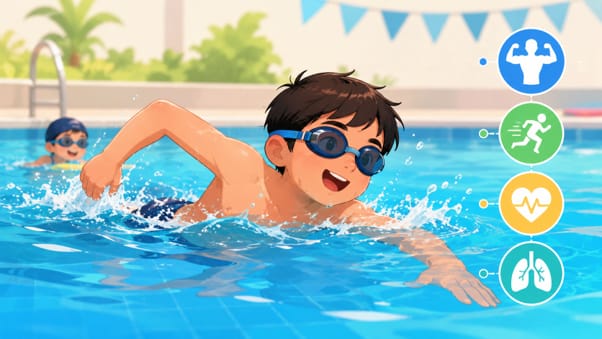
Swimming is one of the few activities that work almost every major muscle group at the same time. Children use their arms, legs, core muscles, and breathing together while learning different swimming movements and techniques.
This combination helps improve coordination, body control, and balance as children learn how to move smoothly through the water. Over time, regular practice can also support flexibility and overall physical confidence.
Supports Healthy Growth
Swimming encourages children to stay active in a fun way. In Singapore, where screen time and indoor lifestyles are becoming more common, regular physical activity is important for healthy childhood development.
Unlike some land sports, swimming is a low-impact activity that places less stress on growing bones and joints. This makes it suitable for many children across different fitness levels and age groups.
Improves Heart and Lung Health
Regular swimming lessons help children build stamina and stronger breathing control. As children become more active in the water, their hearts and lungs gradually work more efficiently during exercise and daily activities.
Swimming Supports Mental and Emotional Development
Builds Confidence
Many children begin swimming lessons feeling nervous or unsure in the water. As they learn new skills such as floating, kicking, and swimming short distances on their own, their confidence gradually grows with each lesson.
Learning new swimming skills can help children feel more confident and motivated. This positive feeling often encourages children to try new activities and become more independent.
Encourages Discipline and Focus
Swimming lessons teach children the importance of listening carefully and following instructions step by step. During classes, children learn to stay focused, practise regularly, and improve through consistency and patience.
Swimming lessons also encourage children to practise focus, patience, and consistency. These habits can support learning and everyday responsibilities outside the pool as well.
Helps Children Relax and Feel Happier
Physical activity naturally helps children release energy and improve their mood. Regular physical activity, including swimming, may help support emotional well-being and help children feel more relaxed.
Swimming Encourages Social Skills
Learning Together With Other Children
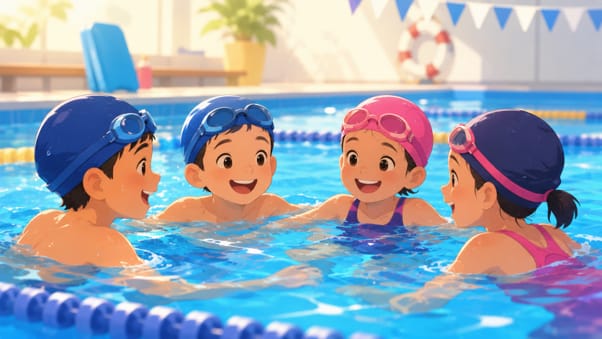
Group swimming lessons give children the opportunity to learn alongside others in a supportive environment. During classes, children often take turns, practise together, and encourage one another as they learn new skills in the pool.
These shared experiences help children become more comfortable working as part of a group. Over time, swimming lessons can support teamwork, patience, and respect for others while building positive social habits.
Many children also feel encouraged when they see classmates progressing and enjoying lessons together. This creates a positive learning environment that helps children stay engaged during practice.
Building Communication Skills
Swimming lessons also help children become better communicators. They learn to listen carefully to coaches, ask questions when unsure, and follow instructions clearly during different swimming activities.
Interacting with classmates in the pool also encourages children to cooperate and communicate with others more confidently. These communication skills can support children not only in sports but also in school and everyday social situations.
Why Starting Swimming Lessons Early Matters
Early Exposure Builds Water Confidence
Many young children adapt to water more naturally when they are introduced to swimming early. Regular exposure helps them become familiar with the feeling of being in the pool, which often makes lessons smoother and more enjoyable over time.
Children who start young are also more likely to develop water confidence gradually instead of feeling anxious around water later on. This comfort in the water can support safer participation during family outings, holidays, and school swimming activities.
Learning Step by Step
Swimming skills are usually taught in small, manageable stages that children can build on over time. Most beginners first learn simple skills such as floating, safe breathing, kicking, and basic body movement before progressing to beginner swimming strokes.
This gradual learning process helps children feel successful at each stage without becoming overwhelmed. Consistent practice also allows children to improve their coordination and water control more naturally.
Reducing Fear of Water
Early swimming lessons can help children feel calmer and more comfortable in water environments. When children learn in a safe and supportive setting, they are often more willing to participate confidently in water activities.
The Role of Parents in Swimming Education
Encouragement Helps Children Progress
Parents play an important role in helping children feel confident and motivated during swimming lessons. Simple encouragement, praise, and patience can make a big difference, especially when children are learning new skills or adjusting to the water.
Children often progress better when they feel supported instead of pressured. Positive experiences during lessons can help them enjoy swimming and stay interested in learning long-term.
Consistency Is Important
Regular swimming lessons and practice are important for steady improvement. Like any skill, swimming takes time, repetition, and routine for children to build confidence, coordination, and stronger technique in the water.
Regular practice helps children reinforce and improve their swimming skills over time. Even short but consistent practice sessions can support progress and confidence.
Water Safety Continues Outside Lessons
Even if a child can swim, adult supervision around water remains extremely important. Parents should continue practising safe habits at pools, beaches, and water playgrounds to help keep children protected at all times.
Choosing the Right Swimming Lessons in Singapore
Qualified and Patient Coaches
A safe and supportive learning environment plays a big role in helping children succeed in swimming lessons. Children often learn better when coaches are patient, encouraging, and able to guide them step by step without creating pressure or fear.
Experienced swim coaches also know how to build water confidence gradually while keeping lessons safe and structured. This helps children feel more comfortable trying new skills and progressing at their own pace.
Age-Appropriate Programmes
Choosing lessons that match a child’s age and confidence level is equally important. Younger beginners may need slower introductions to water, while older children may be ready to focus on stronger technique and stroke development.
Programmes that suit a child’s ability usually create a more positive learning experience and help prevent frustration during lessons. Children are often more confident when they feel the activities are manageable and enjoyable.
Making Learning Enjoyable
Fun and engaging lessons help children stay motivated and interested in swimming. Engaging lessons can help children stay interested and motivated during swimming practice while still building important swimming skills.
Conclusion
Swimming is one of the most valuable life skills a child can learn in Singapore. With water activities being part of everyday life, learning how to swim helps children become safer, more confident, and more comfortable in aquatic environments from a young age.
Beyond water safety, swimming also supports healthy physical development, stronger coordination, better focus, and improved emotional well-being. Many children also benefit socially by learning teamwork, communication, and discipline through regular swimming lessons.
Starting early allows children to build these skills gradually in a safe and supportive environment. Over time, swimming can become more than just an activity — it can develop into a lifelong habit that supports fitness, confidence, and a healthy lifestyle well into adulthood.
For parents, introducing swimming lessons early is an investment in both safety and personal growth. With patient coaching, consistent practice, and positive encouragement, children can develop a strong foundation that benefits them both in and out of the water for many years ahead.
Frequently Asked Questions
At what age should children start swimming lessons in Singapore?
Many children can begin water familiarisation and basic swimming lessons from a young age, depending on their comfort level and readiness. Early exposure often helps children become more confident and relaxed in the water over time.
How often should children attend swimming lessons?
Most swim coaches recommend regular weekly lessons to help children build consistency and improve steadily. Frequent practice helps children remember techniques more easily and gain confidence faster.
Is swimming safe for young children?
Swimming can be very safe when lessons are conducted by qualified coaches in a supervised environment. Parents should still closely supervise children around water, even if they already know how to swim.
What are the main benefits of swimming for children?
Swimming helps improve water safety, physical fitness, coordination, confidence, focus, and social skills. It is also a low-impact activity that supports healthy growth and active lifestyles.
How long does it take for a child to learn how to swim?
Every child learns at a different pace depending on age, confidence, lesson frequency, and comfort in water. Some children may learn basic skills quickly, while others may need more time and consistent practice to progress comfortably.